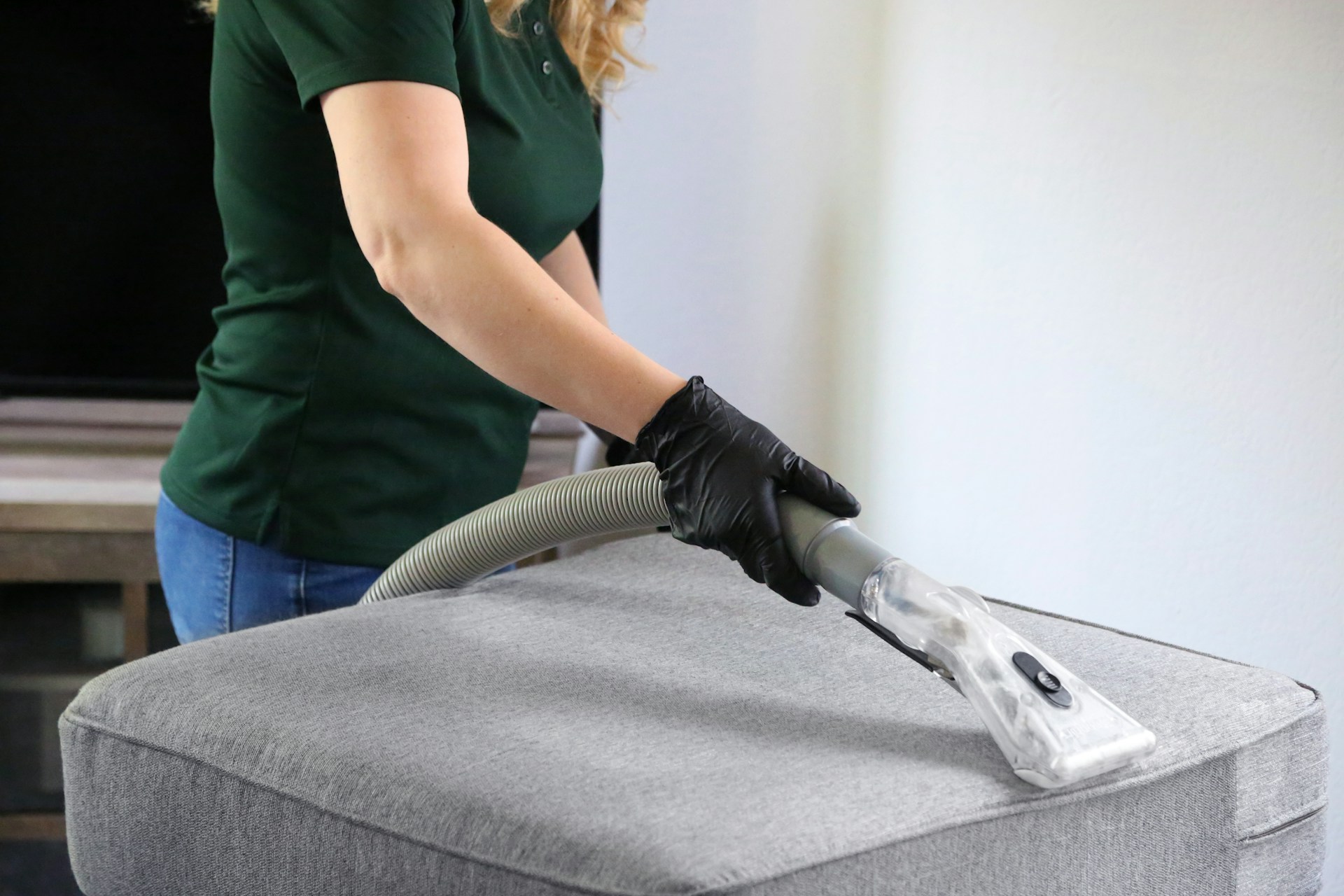
Homes and businesses in Vancouver get used in very different ways each day, and that changes how we clean them. From entryways to back rooms, every space collects dirt, dust, and traffic in its own pattern. One thing they do share, though, is the need for consistent care, especially during late winter when windows stay closed and indoor air moves around more than usual. That’s when tidy, healthy environments can make the biggest difference.
When we talk about residential and commercial cleaning, we’re really talking about what each space is used for and who moves through it day to day. Understanding those differences is key to keeping both homes and workplaces running smoothly and feeling good to be in. Let’s take a closer look at how needs and routines change depending on the setting.
Understanding the Purpose of Each Space
The purpose behind a space shapes almost everything about how it’s cleaned.
- Homes are places of rest, family, and comfort. Cleaning here often supports day-to-day well-being, from the smells of the kitchen to the softness of clean bedding. These are personal spaces where people spend time with loved ones, eat, and unwind, so priorities lean toward removing allergens, dust, and buildup from high-use areas like bedrooms, bathrooms, and shared living spaces.
- Commercial spaces usually have a broader audience. Stores, offices, and clinics all serve different people throughout the day. Cleanliness here isn’t only about comfort, it’s about safety and presentation too. A dusty lobby or streaky glass can stand out quickly, so the focus leans toward keeping everything looking clean and feeling hygienic, especially with all that foot traffic.
Spaces used by families and those serving the public serve different roles. That’s why routines and tools change depending on whether we’re cleaning where someone lives or where they work.
Differences in Cleaning Frequency and Task Types
The pace of cleaning often ties into what’s happening day by day in each setting.
- In homes, people usually follow a weekly or bi-weekly schedule. Focus areas include kitchens, floors, washrooms, and bedrooms. There’s usually some flexibility around when it gets done, especially for smaller households where fewer people create less mess.
- Commercial settings usually have tighter schedules. Cleaning often happens at the end of each workday or overnight, since the daytime is focused on customers or employees. For businesses that stay open to the public, like shops or clinics, the clean-up needs to stay consistent to leave a good impression and meet public health expectations.
The kind of tasks also changes. Homes might include folding throws, cleaning inside fridges, or dusting picture frames. Businesses usually require:
- Emptying waste bins and replacing liners
- Disinfecting shared workstations, restrooms, and light switches
- Spot-cleaning windows, doors, and floors with heavy foot traffic
Spaces get cleaner when cleaning fits the rhythm of how each place is used, not just when it’s convenient.
Tools and Products Used in Each Setting
Not everything that works in a house works in a store or office. Sometimes, heavier use calls for stronger tools.
- Residential cleaning is often done with basic household products. This includes vacuums, gentle all-purpose sprays, glass cleaners, and mops for hardwood floors. Most people are dealing with surface messes, pet dander, or crumbs under the couch.
- Commercial spaces need products and tools that keep up with daily use across larger surfaces. These might include floor buffers for tough scuffs, sanitiser sprayers for shared offices, or auto scrubbers for wide hallways and tile floors.
We choose the right supplies depending on what’s being cleaned. A kitchen counter in a small apartment won’t need the same treatment as a waiting room or daycare hallway. Even the smell of certain cleaners matters depending on where they’re used. A soft lemon scent might be fine in a home, but too strong in smaller office spaces where people work for hours at a time.
Health and Safety Priorities
Health standards vary between private and public spaces, but they both aim to keep people safe.
- In homes, most of us are cleaning to avoid allergens, surface grime, or sticky spills. During late winter, vents keep pushing warm air around, and windows stay shut, which raises the need to keep dust and dander down. Clean bathrooms and kitchens also support better habits around food and hygiene.
- Business settings, especially those open to customers, need to keep up with shared use. Offices, clinics, and daycares follow public health rules that involve routine disinfecting and proper disposal of waste. Wiping desks, sanitising handles, and keeping restrooms clean isn’t optional; it’s required.
Health and cleaning are connected everywhere. The difference is the level of detail, oversight, and consistency needed based on how each space is used.
Seasonal Timing and Regional Needs in Vancouver
This time of year brings its own cleaning challenges. Late winter in Vancouver means the air stays damp, boots track in dirt, and people spend more time indoors. We’ve all seen how cloudy days and constant rain affect how clean a space feels and smells.
- For homeowners, that might mean throwing mats in the wash more often or wiping heaters that blow dry air and dust around the room. Steamed windows and tracked-in rainwater around doorways are common sights that create new messes every week.
- For businesses, the concern shifts to foot traffic. Entryways get slushy, and salt from outside leaves streaks across hard floors. Shops and offices near the street need frequent mopping, cleaner signage, and better attention to low corners where moisture can collect without being noticed.
A seasonal approach to cleaning shows respect for the environment in which people live and work. When winter grips the city for weeks at a time, keeping up with cleaning isn’t just helpful; it creates a better place for everyone to be.
The Yaletown Clean Difference for Vancouver Spaces
At Yaletown Clean, we specialise in both residential and commercial cleaning across Greater Vancouver, including neighbourhoods such as Yaletown, Coal Harbour, North Vancouver, and the West End.
Our team is fully background-checked, offering flexibility with scheduling and all equipment and supplies are provided. The online booking platform makes it simple to plan for ongoing or one-time cleaning in either setting, helping fit our service to the pace and rhythm of your home or business.
Our cleaning experts understand the specific challenges that late winter brings in Vancouver, whether that means tracking down hidden dust in homes or staying ahead of increased mess in high-traffic workplaces. We tailor our approach to suit every type of space, keeping both residential and commercial clients prepared for a fresher spring.
Cleaner Spaces, Better Outcomes
Residential and commercial cleaning may share the same basic idea, but their goals and routines move in different directions. Where we sleep, cook, and care for family calls for something very different from where we serve customers or hold meetings. Both deserve the right kind of care and attention based on how they’re used and what their users need.
Whether it’s your home or workplace, clear routines lead to cleaner outcomes. That helps us feel more grounded, keeps things running smoothly, and gets us through the rainy stretch of winter with fewer distractions and a little more comfort built into every room.
Experience the difference that expert residential and commercial cleaning can make in your space. Yaletown Clean is committed to tailoring our services to meet the distinct needs of your home or business, ensuring every space is impeccably maintained through late winter and beyond. Our team brings both flexibility and focus, allowing you to enjoy fresher, more inviting interiors throughout the season. Reach out to Yaletown Clean today and discover how effortless a clean routine can be.


Stay Updated
We will send you info about your business